
Whiteboards for Universities and Learning Spaces: Creating Flexible Learning Environments
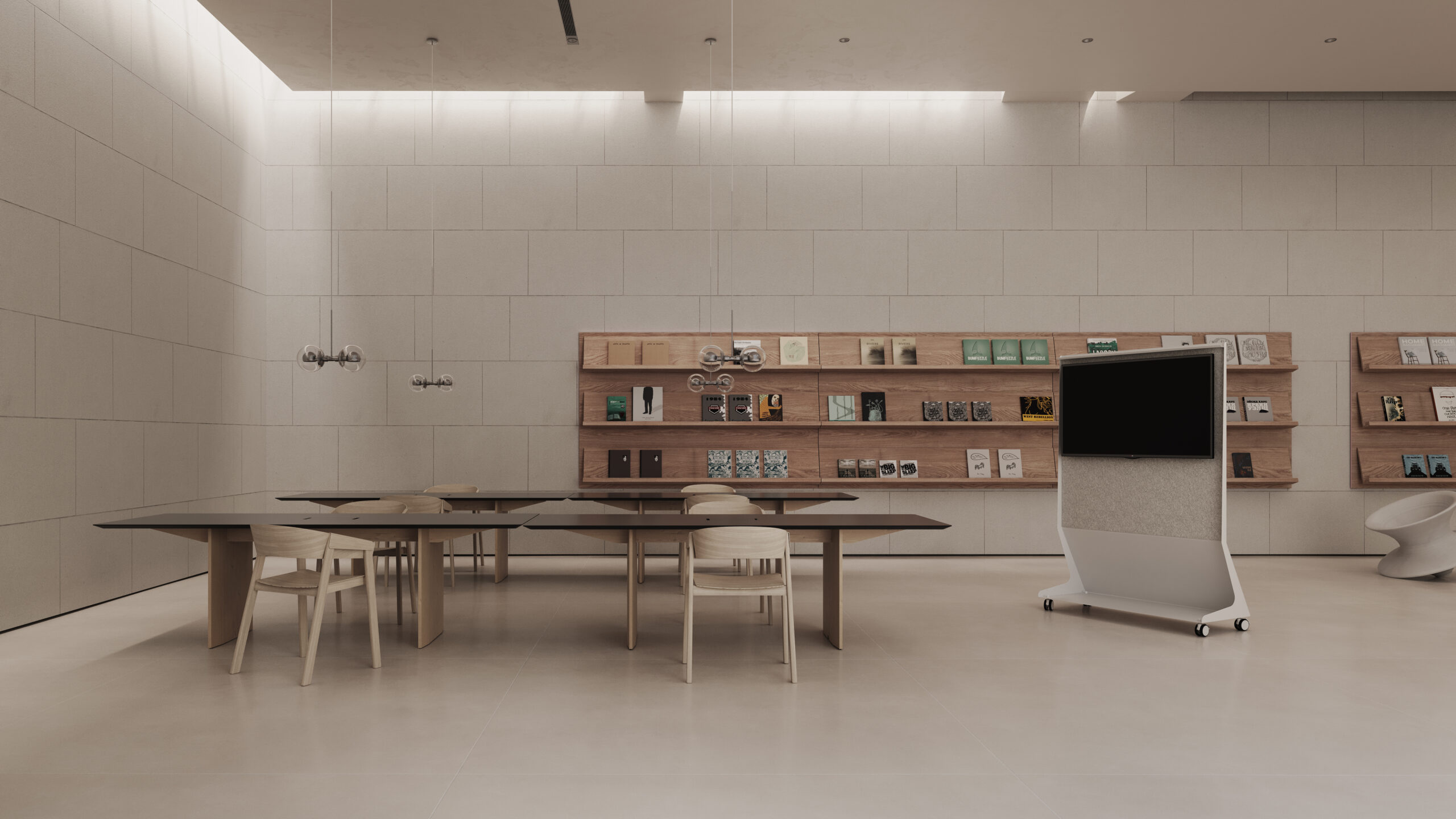
Modern universities and educational institutions are designed to support more than traditional lectures. Students collaborate on projects, participate in workshops, develop ideas and move between individual study and group activities.
As teaching methods evolve, the spaces used for learning need to adapt.
Whiteboards play an important role in these environments. They provide a visible surface for explaining concepts, sharing ideas and encouraging participation.
However, choosing the right whiteboard for a university is not simply a question of selecting the largest available writing surface.
Room layout, teaching methods, flexibility and material selection all influence how effectively a whiteboard supports the learning experience.
Why Are Whiteboards Important in Modern Learning Spaces?
Digital tools have become an essential part of education, but physical writing surfaces continue to offer practical advantages.
A whiteboard allows lecturers and students to explain ideas visually, develop concepts together and make information accessible to everyone in the room.
Unlike presentations displayed on a screen, a writing surface can be updated continuously throughout a discussion.
This makes whiteboards particularly useful for activities that involve active participation.
In university environments, whiteboards can support:
- Lectures and presentations: Explaining theories, illustrating concepts and highlighting important information.
- Group projects: Organising ideas and developing solutions collaboratively.
- Workshops: Visualising processes, mapping concepts and encouraging discussion.
- Study areas: Supporting independent learning and informal collaboration.
- Creative subjects: Sketching, planning and exploring different approaches.
The most suitable solution depends on the activities taking place in each space.
Whiteboards for University Lecture Rooms
Lecture rooms often need writing surfaces that can be seen clearly from different seating positions.
In these environments, the size and placement of the whiteboard are particularly important.
A wall-mounted whiteboard provides a permanent writing area that can be used alongside projectors, screens and other teaching equipment.
For larger rooms, a wider writing surface may allow lecturers to keep several diagrams or explanations visible at the same time.
Glass whiteboards can also become part of the overall interior design.
For example, CHAT BOARD® CLASSIC offers a magnetic glass writing surface in 13 standard sizes and 25 standard colours.
When planning a lecture room, it is important to consider viewing distances, lighting conditions and potential reflections from the writing surface.
For additional guidance, explore our article What Size Whiteboard Do I Need?.
Creating Collaborative Learning Spaces
Many universities increasingly incorporate spaces designed for group discussions, project work and interactive learning.
These environments often require a different approach from traditional lecture rooms.
Instead of directing all attention towards a single teaching wall, collaborative spaces benefit from writing surfaces that students can access from different positions.
Multiple whiteboards can allow smaller groups to develop ideas independently before presenting their findings to the rest of the class.
For example, students working on a design project might use separate writing surfaces to organise research, sketch concepts and compare possible solutions.
The objective is to make collaboration a natural part of the learning environment.
For more inspiration on designing spaces that encourage interaction, read How to Create a More Collaborative Office Workspace. Many of the same spatial principles can also be applied to educational environments.
Mobile Whiteboards for Flexible Classrooms
Not every classroom is used for the same activity throughout the day.
A university room may host a lecture in the morning, smaller group discussions in the afternoon and a workshop later in the week.
Mobile whiteboards can support these changes without requiring permanent alterations to the room.
They can be repositioned to suit different seating arrangements, brought closer to individual groups or moved between learning areas.
This flexibility is particularly useful in educational spaces where furniture is regularly rearranged.
CHAT BOARD® SPRINTER provides a mobile magnetic glass writing surface that can be moved according to the needs of the space.
For environments where both writing and pinning are useful, CHAT BOARD® MOBILE combines magnetic glass with a BuzziFelt surface.
This allows students to work with handwritten notes, diagrams and pinned materials within the same mobile solution.
Whiteboards for University Libraries and Study Areas
Learning does not only take place inside classrooms.
University libraries, shared study areas and informal learning zones often provide spaces where students can work independently or collaborate on assignments.
Whiteboards can be useful in these environments because they allow students to organise information visually.
For example, a group preparing a presentation might use a whiteboard to outline its structure, divide responsibilities and develop key arguments.
In smaller study areas, wall-mounted whiteboards can provide a permanent writing surface without occupying additional floor space.
Where the layout needs to remain flexible, mobile solutions may be more practical.
The choice should reflect how the area is used and whether students need a shared or individual writing surface.
Choosing Between Glass and Traditional Whiteboards
The writing surface itself is another important consideration when selecting whiteboards for educational environments.
Traditional whiteboards and glass whiteboards offer different characteristics in terms of appearance, construction and maintenance.
Glass whiteboards provide a smooth, non-porous writing surface that can be cleaned without the same risk of staining associated with some conventional whiteboard surfaces.
They are also available in different colours, allowing educational institutions to coordinate writing surfaces with the surrounding interior.
However, colour selection should consider readability.
In teaching environments, sufficient contrast between the writing and the surface is essential, particularly when students are seated at a distance.
Magnetic functionality may also be useful when lecturers or students need to display printed materials alongside handwritten information.
For a more detailed comparison, explore Glass Whiteboard vs. Traditional Whiteboard: What’s the Difference?.
Integrating Whiteboards into Educational Interior Design
Universities increasingly use interior design to create welcoming, functional and adaptable learning environments.
Writing surfaces should therefore be considered alongside furniture, lighting, acoustics and the overall room layout.
A whiteboard can be integrated into the architecture through its dimensions, positioning and colour.
In a contemporary learning environment, a glass writing surface may complement materials such as wood, metal and acoustic textiles.
Colour can also help establish a consistent visual identity across different teaching and study areas.
For architects and interior designers working on educational projects, it is worth considering writing surfaces early in the planning process.
Our article Whiteboard Solutions for Architects and Interior Designers explores how whiteboards can become part of a broader interior concept.
Practical Considerations When Selecting Whiteboards for Universities
Educational environments often experience frequent use by many different people.
When selecting a whiteboard, it is therefore important to consider both the intended activities and the practical requirements of the space.
Several factors deserve attention:
- Size and visibility: Is the writing surface large enough and clearly visible from the intended seating positions?
- Placement: Can students and lecturers reach the board comfortably?
- Flexibility: Does the room require a fixed writing surface or a mobile solution?
- Cleaning and maintenance: Is the surface suitable for frequent use?
- Magnetic functionality: Will printed materials, notes or other resources need to be displayed?
- Materials and colours: Does the board complement the interior while maintaining good readability?
- Installation and safety: Are the mounting requirements, wall construction and intended users appropriately considered?
For professional educational projects, technical specifications and installation instructions should be reviewed before selecting a final solution.
Designing Learning Spaces for Different Teaching Methods
A well-designed learning environment should support different approaches to teaching.
Traditional lectures, interactive workshops and collaborative projects do not necessarily require identical room layouts.
Rather than designing every classroom around one fixed arrangement, educational institutions can consider a combination of permanent and flexible elements.
Wall-mounted whiteboards provide consistent writing areas, while mobile boards allow teaching spaces to adapt to changing activities.
This approach can help create learning environments that remain functional as teaching methods and space requirements evolve.
Explore Whiteboard Solutions for Modern Learning Environments
The right whiteboard can support communication, visual learning and collaboration in universities and educational institutions.
From lecture rooms and libraries to flexible classrooms and project spaces, different environments require different solutions.
By considering the room layout, teaching activities, writing surface and overall interior design, educational institutions can select whiteboards that support everyday learning.
At CHAT BOARD, we develop magnetic glass whiteboards and multifunctional writing surfaces for contemporary interiors.
Explore CLASSIC, SPRINTER and MOBILE to discover solutions for flexible learning and collaboration spaces.