
Best Whiteboards for Meeting Rooms: Choosing the Right Solution for Every Space
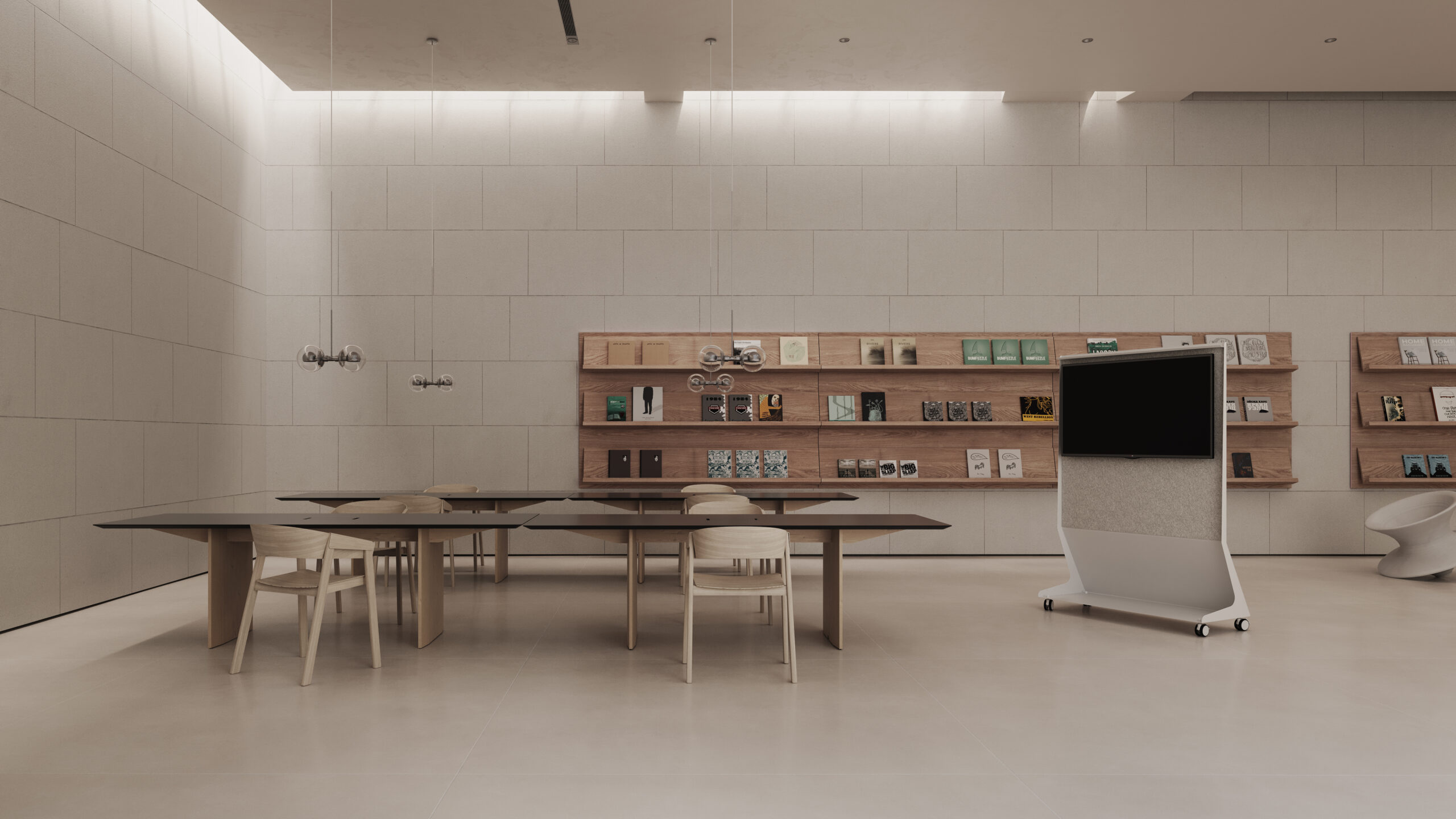
Not every meeting room is used in the same way. Some are designed for quick discussions between colleagues, while others accommodate presentations, creative workshops or larger team meetings.
The best whiteboard for a meeting room depends on what happens in the space. A compact meeting room may need a permanent writing surface, while a workshop area might benefit from several movable boards that allow teams to work independently.
Understanding these differences can help you choose a whiteboard that supports the way people actually meet and collaborate.
Whiteboards for Small Meeting Rooms
Small meeting rooms are often used for one-to-one conversations, short team discussions and informal planning sessions.
In these spaces, the whiteboard should be easy to access without taking up unnecessary room.
A wall-mounted glass board can provide a dedicated writing surface while keeping the floor clear. Positioning it close to the meeting table makes it easier to capture ideas without interrupting the conversation.
For smaller meeting rooms, consider:
- A writing surface that fits comfortably within the available wall space
- Placement that allows everyone to see the board
- Enough room for agendas, notes and simple diagrams
- A colour that works with the surrounding interior
CHAT BOARD® CLASSIC offers wall-mounted magnetic glass writing surfaces in different sizes and colours, making it possible to adapt the board to the room.
Whiteboards for Large Conference Rooms
Larger conference rooms often accommodate more participants and more structured presentations.
Here, visibility becomes especially important. A whiteboard should be positioned so participants can follow the discussion without having to move around the room.
A larger writing surface can also be useful when several topics need to remain visible throughout a meeting.
For conference rooms, consider the distance between the board and the participants, the available wall space and whether the board will be used alongside a presentation screen.
In some cases, a combination of permanent and movable writing surfaces can provide additional flexibility.
For more guidance on dimensions, explore What Size Whiteboard Do I Need?.
Whiteboards for Creative Workshops and Brainstorming
Creative workshops place different demands on a whiteboard than traditional meetings.
Participants may need to sketch ideas, develop concepts, organise information and work in smaller groups before sharing their results.
Rather than relying on a single writing surface, workshops can benefit from multiple boards positioned around the room.
Creating Space for Group Activities
Mobile whiteboards allow teams to work in separate areas without requiring permanent installations.
Each group can use its own writing surface during the workshop and reposition the board when presenting ideas to the wider team.
CHAT BOARD® SPRINTER provides a mobile glass writing surface that can be moved between working areas.
For workshops that combine writing with visual materials, MOBILE offers magnetic glass on one side and BuzziFelt on the other.
This allows participants to combine handwritten notes with pinned inspiration and other materials.
For more ideas on creating collaborative environments, read How to Create a More Collaborative Office Workspace.
Whiteboards for Hybrid Meeting Rooms
Hybrid meetings bring together participants in the room and colleagues joining remotely.
In these environments, the position of the whiteboard matters just as much as the writing surface itself.
A board placed outside the camera’s view may be difficult for remote participants to follow. Reflections, lighting and small handwriting can also affect how clearly information appears on screen.
When planning a hybrid meeting room, consider:
- Camera positioning: Place the board where remote participants can see it when needed.
- Lighting: Check for reflections that could make writing difficult to read.
- Writing size: Use clear, sufficiently large handwriting.
- Room layout: Make sure the presenter can use the board without blocking the camera’s view.
- Digital sharing: Share important notes digitally after the meeting so everyone has access to the same information.
A physical whiteboard can support hybrid collaboration, but it does not replace digital meeting tools or dedicated content-sharing solutions.
Whiteboards for Flexible and Multi-Purpose Meeting Spaces
Many modern offices use the same room for different activities throughout the day.
A space might host a formal presentation in the morning, a team workshop after lunch and an informal discussion later in the afternoon.
A fixed writing surface may work well for some of these activities, but mobile solutions can make the room easier to adapt.
Adapting the Room to Different Activities
Movable boards can be positioned beside meeting tables, brought into smaller discussion areas or moved aside when additional floor space is needed.
They can also help create temporary working zones within larger rooms.
Where visual separation and acoustic comfort are important, writing surfaces can be considered alongside room dividers and other interior elements.
Explore Acoustic Room Dividers for Modern Offices for more inspiration on flexible workspace layouts.
Where Should a Whiteboard Be Placed in a Meeting Room?
Even a well-chosen whiteboard can be difficult to use if it is positioned incorrectly.
The ideal placement depends on the seating arrangement, lighting and how people move around the room.
Consider Visibility from Every Seat
Before installing a board, check whether participants can comfortably see the writing from different positions.
In longer rooms, a writing surface placed at one end may be less useful for people seated further away.
Leave Enough Space for Writing
The person using the board should be able to stand comfortably in front of it without blocking access to furniture or walkways.
For wall-mounted boards, consider the height of the writing surface and the needs of the people who will use it.
Pay Attention to Natural and Artificial Light
Glass surfaces can reflect light, so positioning the board directly opposite strong light sources may affect visibility.
Consider how the room looks at different times of day before deciding on the final placement.
For further inspiration on planning the overall space, explore How to Design a Modern Meeting Room.
Choosing Whiteboards for Architects and Interior Designers
In architectural projects, whiteboards are often selected alongside furniture, lighting and other interior elements.
The goal is to create a functional meeting space without compromising the overall design.
A wall-mounted glass board can become a permanent part of the room, while a mobile solution allows greater freedom when the layout changes.
Colour, proportions and placement all contribute to how the writing surface fits into the interior.
Our guide to Whiteboard Solutions for Architects and Interior Designers explores these considerations in more detail.
Create a Meeting Room That Supports Collaboration
A well-designed meeting room makes it easier for people to communicate, share ideas and work together.
Choosing the right whiteboard is part of that process.
Rather than focusing only on appearance or dimensions, consider the activities the space needs to support. A permanent glass board may be ideal for everyday meetings, while mobile writing surfaces can provide greater flexibility for workshops and changing layouts.
Explore CHAT BOARD® CLASSIC, SPRINTER and MOBILE to discover writing solutions for different meeting environments.