
How to Design a Modern Meeting Room
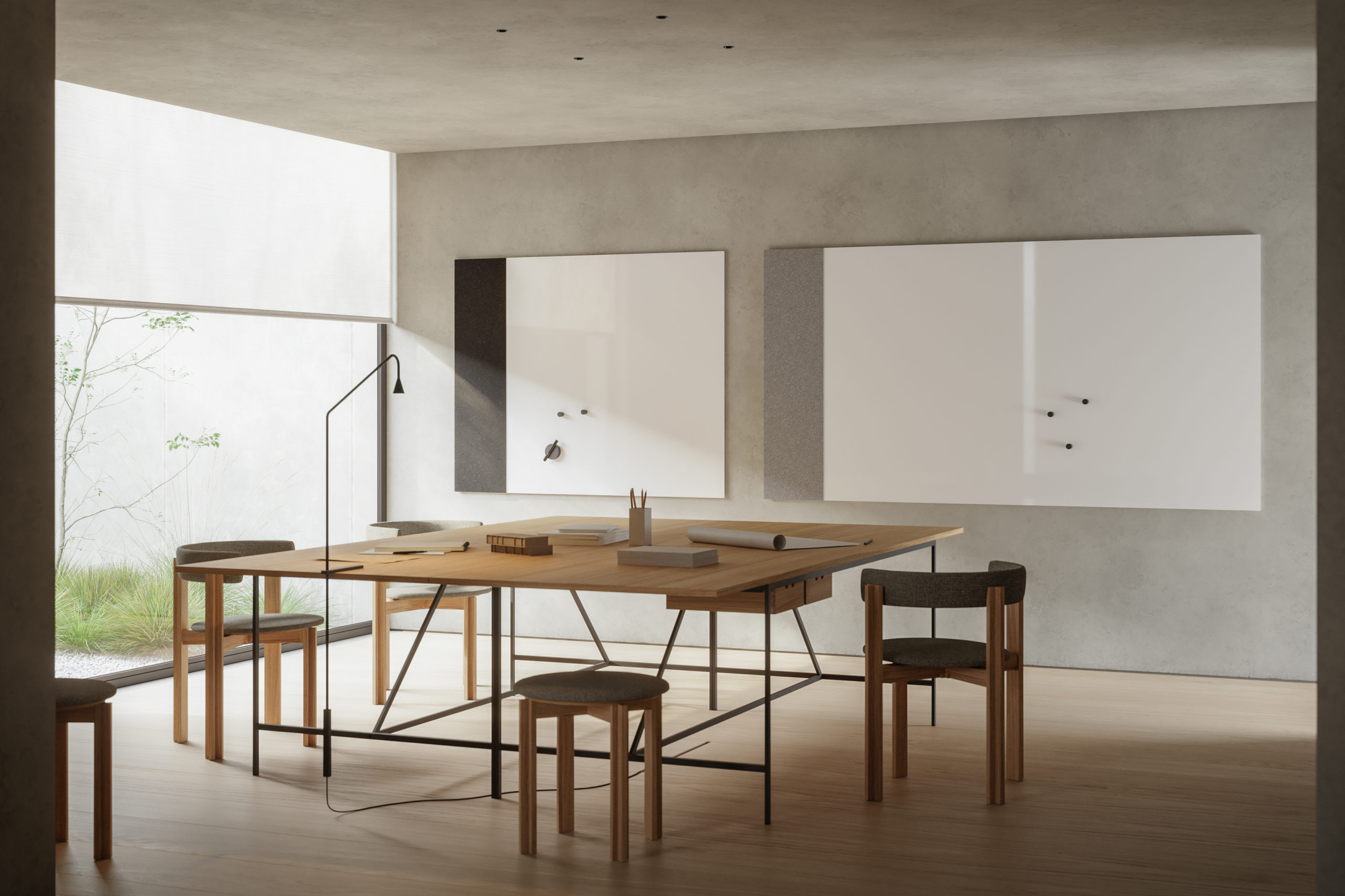
A modern meeting room should do more than provide a table, chairs and a screen. It should create an environment where people can communicate, share ideas and work together comfortably.
The best meeting rooms combine functionality, technology and thoughtful interior design. Lighting, acoustics, furniture, colours and writing surfaces all influence how the room feels and how well it supports collaboration.
Whether you are designing a small meeting space or a large conference room, these principles can help you create a modern meeting room that works for both people and the interior.
Start with how the meeting room will be used
Before choosing furniture or colours, consider how people will use the room.
Some meeting rooms primarily host presentations and formal discussions. Others support brainstorming, workshops and creative collaboration. Many modern workplaces need rooms that can handle several different types of meetings throughout the day.
Start by asking a few simple questions:
- How many people will normally use the room?
- Will meetings take place in person, online or both?
- Do people need space for brainstorming and workshops?
- How much writing and presentation space do they need?
- Should the room support formal meetings or informal collaboration?
The answers will help determine the layout, furniture, technology and tools you need.
Choose a layout that supports collaboration
The layout plays an important role in how people interact.
A traditional conference table works well for structured meetings, while smaller tables or flexible furniture can support workshops and collaborative sessions.
Make sure people can move comfortably around the room and see both each other and the main presentation areas.
Avoid filling every available space with furniture. Leaving some open space can make the meeting room feel calmer and provide more flexibility when different teams use the room.
Create space for visual communication
Ideas often become easier to understand when people can see them.
Writing surfaces give teams a place to sketch concepts, organise thoughts, take notes and develop ideas together. They can also help keep people engaged during meetings rather than relying entirely on a digital presentation.
Consider the available wall space when planning the room.
A large glass whiteboard can create a central area for brainstorming and presentations. Several smaller boards can provide different writing zones or allow teams to work on separate ideas at the same time.
Magnetic glass whiteboards add another function by allowing users to combine handwritten notes with documents, images and other materials.
Integrate technology into the room
Technology has become an essential part of modern meeting room design.
Screens, cameras, microphones and speakers should support the meeting without dominating the interior.
Place screens where everyone can see them comfortably. For hybrid meetings, position the camera so remote participants get a natural view of the people in the room.
Cable management also deserves attention. Visible cables and equipment can quickly make an otherwise considered interior feel cluttered.
Whenever possible, integrate technology into furniture or architectural elements to create a cleaner visual expression.
Pay attention to acoustics
A beautiful meeting room becomes difficult to use if people struggle to hear each other.
Hard surfaces such as glass, concrete and large windows can reflect sound and increase reverberation. Meeting rooms with many hard materials may therefore benefit from acoustic solutions.
Curtains, rugs, upholstered furniture and acoustic panels can help control sound while contributing to the overall design.
Consider acoustics early in the process rather than treating them as a problem to solve after completing the room.
Choose comfortable and functional furniture
People may spend hours in meeting rooms, so comfort matters.
Choose chairs that provide suitable support and tables that give everyone enough space to work. The furniture should also match the type of meetings the room needs to accommodate.
Flexible furniture can make a room more versatile. Lightweight chairs, movable tables and mobile writing boards allow teams to adapt the space for different activities.
This flexibility works particularly well in workplaces where one room needs to support presentations, workshops and collaborative sessions.
Use colour to create the right atmosphere
Colour has a strong influence on the character of a meeting room.
Neutral shades can create a calm and professional foundation, while stronger colours can add energy and personality. Natural materials and warm tones can make larger meeting spaces feel more inviting.
Instead of choosing colours individually, create a coordinated palette for the entire room.
Consider walls, flooring, furniture, textiles and functional elements together. Even practical objects such as writing boards can contribute to the colour scheme.
A coloured glass whiteboard, for example, can complement surrounding materials or create an intentional contrast on the wall.
For more inspiration, explore our guide to choosing colours for your interior.
Think about lighting
Good lighting supports both concentration and comfort.
Natural daylight can make a meeting room feel open and inviting, but direct sunlight may create glare on screens and other surfaces. Curtains, blinds or other shading solutions can help control the amount of light throughout the day.
Artificial lighting should provide enough illumination without making the room feel overly bright or clinical.
Combining general lighting with more focused light sources can create a comfortable environment and add visual depth to the interior.
Keep the design simple
Modern meeting room design does not require filling the room with decorative elements.
A limited selection of materials, colours and functional objects often creates a stronger result.
Choose elements that serve a purpose and consider how they relate to each other. Furniture, lighting, technology and writing surfaces should feel like parts of the same interior rather than separate additions.
This approach can create a calmer environment with fewer visual distractions.
Add flexibility where possible
Workplaces continue to change, and meeting rooms need to adapt.
A room designed around one fixed purpose may become limiting over time. Flexible elements can extend the ways people use the space.
Movable furniture, mobile boards and adaptable layouts make it easier to switch between formal meetings, presentations and collaborative workshops.
Even small meeting rooms can benefit from flexibility when every square metre needs to work efficiently.
Bring functionality and design together
The most successful modern meeting rooms balance practical requirements with a considered interior.
Start with the people who will use the room. Give them comfortable furniture, effective lighting, suitable acoustics and the technology they need. Then add tools that support communication and collaboration.
Writing surfaces play an important role in this environment. They provide a physical place for ideas, discussions and visual thinking while also occupying a visible part of the interior.
At CHAT BOARD, we design magnetic glass whiteboards that combine practical writing surfaces with Scandinavian design. Different sizes, formats and colours make it possible to integrate the boards into a wide range of meeting rooms and professional interiors.
Explore CHAT BOARD glass whiteboards and discover solutions for your meeting room.