
Whiteboard Solutions for Architects and Interior Designers
When designing a workspace, every detail contributes to the overall experience. Materials, colours, furniture and functional elements all need to work together to create an environment that is both practical and visually cohesive.
Whiteboards are often essential in offices, meeting rooms and collaborative spaces. However, they do not have to be treated as purely functional equipment.
For architects and interior designers, modern whiteboard solutions offer opportunities to integrate writing surfaces into the overall design concept, whether through colour, materials, placement or flexible configurations.
Here are some important considerations when selecting whiteboards for an interior design project.
Integrating Whiteboards into Interior Architecture
A whiteboard should feel like a natural part of its surroundings.
In contemporary offices, writing surfaces are often visible throughout the day, even when they are not being used. Their appearance therefore contributes to the overall interior.
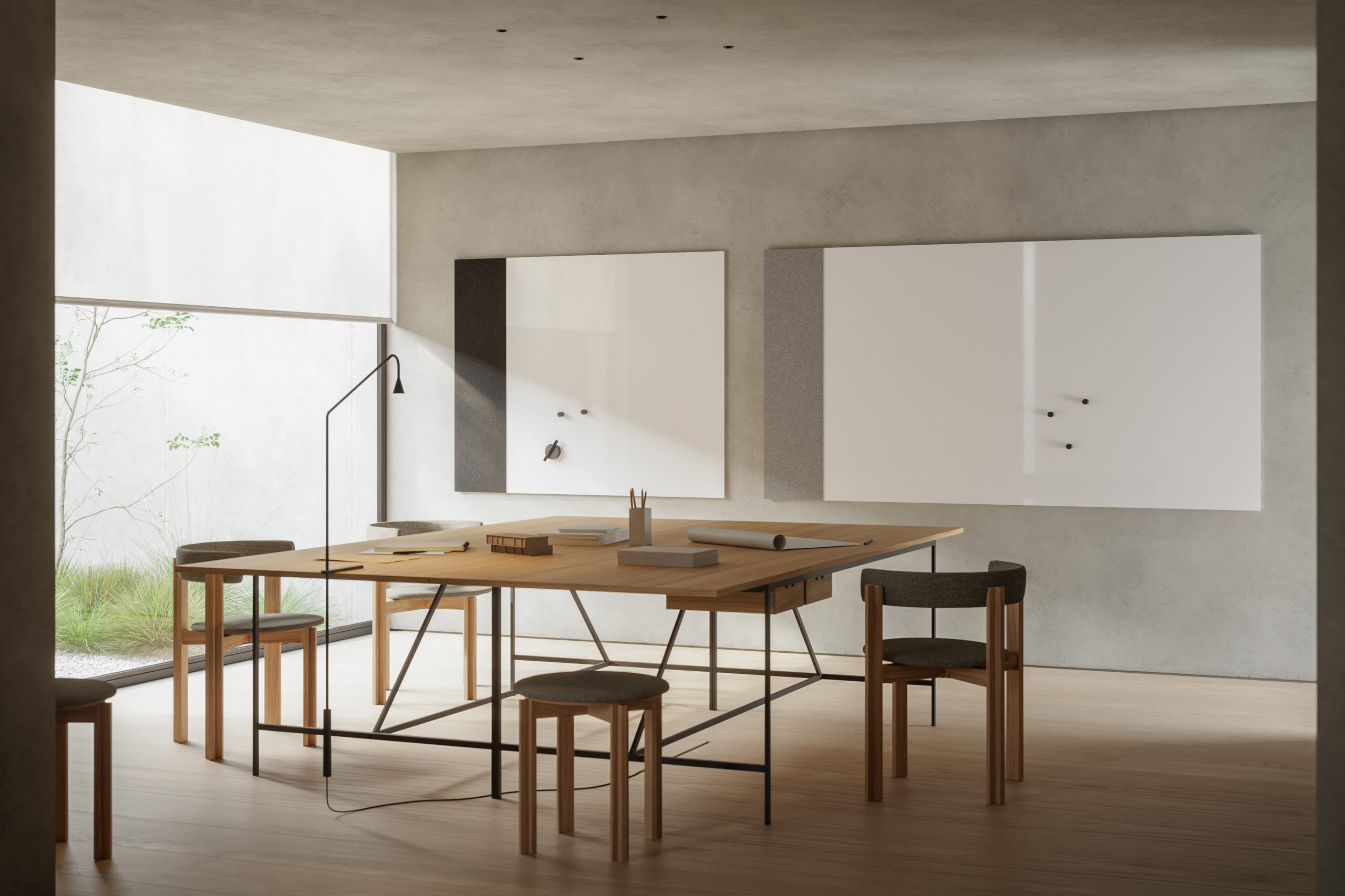
Wall-mounted glass whiteboards can provide a clean, understated expression that complements architectural details and surrounding materials.
For example, CHAT BOARD Classic offers a magnetic glass writing surface in 13 standard sizes and 25 standard colours.
This makes it possible to select a board that either blends into the surrounding interior or introduces a deliberate visual contrast.
Rather than adding a whiteboard as an afterthought, incorporating it during the design process allows for more considered decisions about positioning, proportions and colour.
Choosing Materials That Complement the Space
Material selection plays an important role in interior design.
Wood, glass, metal, textiles and acoustic materials each contribute different visual and tactile qualities to a room.
Glass whiteboards offer a smooth, reflective surface that can complement both minimalist and more expressive interiors.
Unlike traditional whiteboards, magnetic glass boards can be selected in different colours, allowing them to coordinate with furniture, wall finishes and other architectural elements.
For projects where multiple materials are used, the combination of glass and softer surfaces can create an interesting balance.
Products such as CHAT BOARD Move Acoustic combine magnetic glass with acoustic materials, bringing together writing functionality and a softer material expression.
This can be particularly relevant in contemporary workplaces where both visual consistency and practical performance are important.
Planning Whiteboard Placement Early in the Project
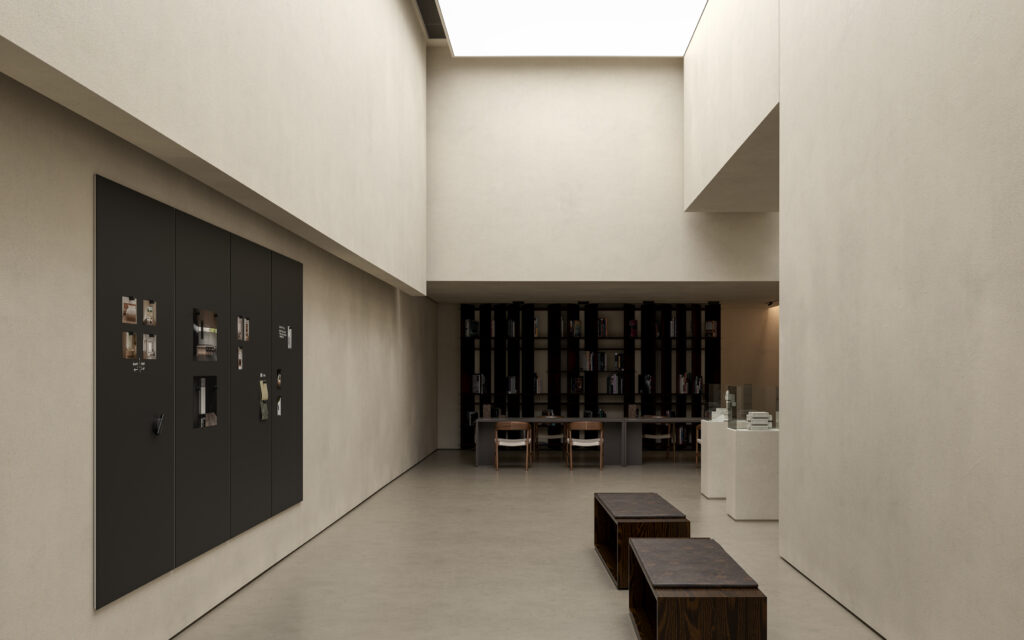
The location of a whiteboard affects how easily it can be used.
In meeting rooms, writing surfaces should be visible from the main seating positions and accessible to the people presenting or facilitating discussions.
For wall-mounted boards, architects and designers should consider the available wall dimensions, mounting height and surrounding furniture.
It is also worth considering lighting conditions. Reflections from windows or artificial lighting may affect visibility, particularly on glass surfaces.
Planning these details early can help avoid situations where a board looks appropriate in a design proposal but becomes less practical once the room is furnished.
For additional guidance on dimensions, explore our whiteboard size guide.
Using Colour as Part of the Design Concept
Colour is one of the most effective ways to integrate functional products into an interior.
A whiteboard does not necessarily need to be white or visually separate from the surrounding architecture.
In a neutral workspace, a glass whiteboard in a complementary colour can create a subtle, cohesive appearance.
In more expressive interiors, a stronger colour may become an intentional design feature.
For architects and interior designers, this flexibility allows writing surfaces to contribute to the overall colour palette rather than interrupt it.
CHAT BOARD offers a selection of standard glass colours across its product collection, providing options for different interior concepts.
For further inspiration, read our guide to choosing the right colour for a glass whiteboard.
Specifying Whiteboards for Different Project Requirements
Not every project requires the same type of writing surface.
A corporate meeting room may benefit from a permanent wall-mounted board, while a creative studio might require movable surfaces that can support different activities.
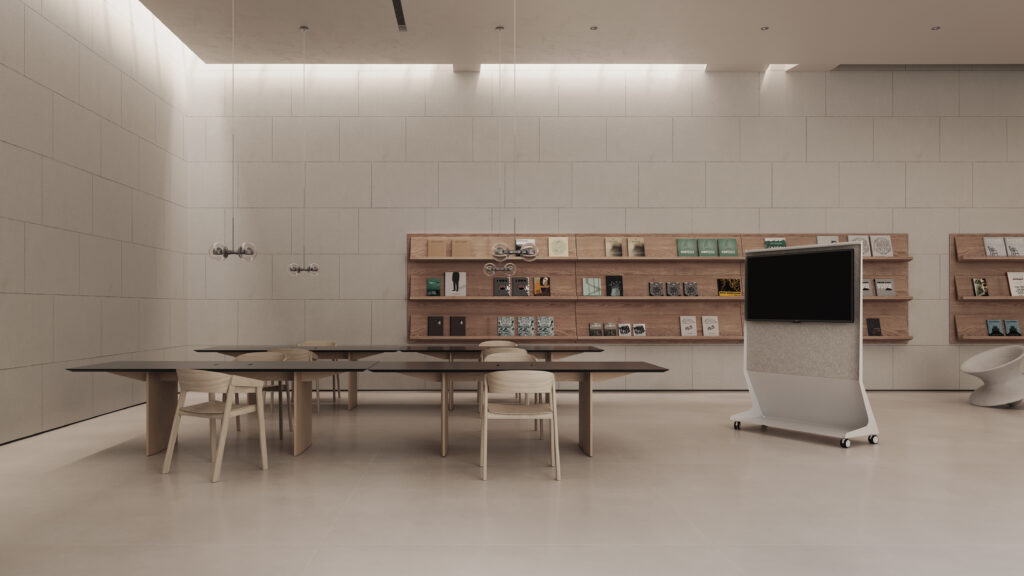
For projects involving flexible office layouts, mobile whiteboards allow the workspace to change without requiring permanent installations.
CHAT BOARD Sprinter offers a mobile magnetic glass writing surface that can be repositioned according to the needs of the space.
Where both writing and pinning are required, CHAT BOARD Mobile combines a magnetic glass surface with BuzziFelt.
By considering how each space will be used, designers can select solutions that support the intended activities without compromising the interior concept.
Considering Product Specifications and Documentation
For professional interior projects, appearance is only one part of the selection process.
Architects and interior designers also need reliable product information to ensure that the chosen solutions are suitable for the project.
Before specifying a whiteboard, it is worth reviewing several practical details.
Dimensions and available configurations: Confirm that the product fits the intended location and provides sufficient writing space.
Mounting requirements: For wall-mounted products, consider the wall construction and any installation requirements.
Materials and finishes: Review the available glass colours, frame details and other relevant material options.
Magnetic functionality: Check whether the product supports magnets and which accessories are recommended.
Product documentation: Use the available technical specifications, product sheets and installation information when preparing project documentation.
Reviewing these details early can make it easier to coordinate whiteboards with other furniture and architectural elements.
Balancing Flexibility and Visual Consistency
Modern workplaces increasingly need to accommodate different activities within the same environment.
Meeting rooms may be used for presentations, workshops and informal discussions, while open-plan areas often combine individual work with collaboration.
For interior designers, this creates a challenge: how can a space remain visually cohesive while supporting different functions?
One approach is to combine permanent architectural elements with flexible furniture and mobile writing surfaces.
Wall-mounted whiteboards can establish dedicated collaboration areas, while movable products allow teams to adapt their surroundings as needed.
Using a consistent selection of materials and colours across these solutions can help maintain a unified visual identity throughout the workplace.
Whiteboards as Part of a Complete Interior Concept
The most successful interior projects consider both the appearance and everyday use of a space.
A well-chosen whiteboard should support communication and collaboration while fitting naturally into the surrounding architecture.
For architects and interior designers, factors such as dimensions, materials, colours, mounting requirements and product flexibility are therefore just as important as the writing surface itself.
By considering these elements during the design process, whiteboards can become an integrated part of the interior rather than an addition made after the project is complete.
Explore CHAT BOARD Solutions for Your Next Project
At CHAT BOARD, we create magnetic glass whiteboards and multifunctional solutions designed for contemporary workspaces.
Our collection includes wall-mounted and mobile products in a variety of sizes, colours and configurations, offering different possibilities for architects and interior designers.
Whether you are designing a meeting room, a flexible office or a larger commercial interior, explore our glass whiteboard collection to find solutions for your next project.